Education is not a one-time event that ends at high school or college graduation; it is a lifelong journey that adapts as our needs, goals, and interests evolve. From a toddler’s first steps into a structured classroom to an adult mastering a new technical craft or stepping onto a dance floor, learning shapes who we are at every milestone. Nearby educational hubs serve as the bedrock of personal development, career trajectory, physical health, and community connection across every phase of human development.
Navigating the vast landscape of local learning opportunities can feel overwhelming given the sheer variety of programs available. Whether you are a parent mapping out your child’s academic path, a teenager preparing for real-world independence, an aspiring professional seeking a fast-track trade certification, or an adult looking for creative enrichment, your local community holds the resources you need. This comprehensive guide breaks down how community-based educational, vocational, and recreational options support growth at every stage of life.
Early Childhood & Foundation Building
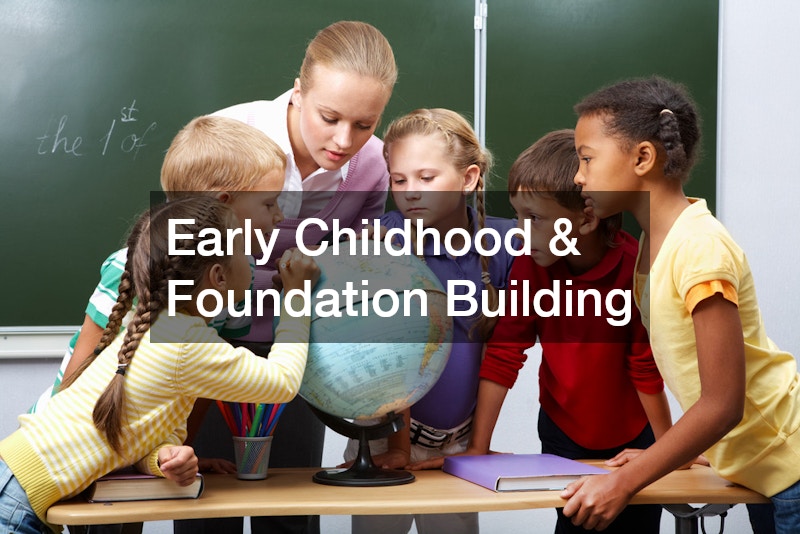
The earliest years of a child’s life represent a critical window of neurodevelopment. During this stage, brain architecture is formed through everyday interactions, environments, and play. Local early childhood programs provide the initial framework for social interaction, emotional regulation, and cognitive curiosity long before formal academic testing begins.
Focus on Social-Emotional Milestones Over Rigid Academics
When evaluating early learning environments, parents should prioritize programs that cultivate emotional intelligence and social readiness rather than high-pressure academic instruction.
- Prioritize Play-Based Curricula: Look for environments where learning occurs through exploration, sensory play, and guided social interaction rather than repetitive worksheets.
- Evaluate Emotional Regulation Support: Ensure educators actively teach children how to identify, label, and manage big emotions in a supportive environment.
- Assess Staff-to-Child Ratios: Low student-to-teacher ratios guarantee that toddlers receive the individual attention necessary to build secure attachments outside the home.
- Observe Peer Interactions: Choose facilities that encourage cooperative play, sharing, and gentle conflict resolution among children.
Create a Smooth Transition into Primary Education
Moving from the home environment into a structured classroom setting can trigger separation anxiety for both children and parents. Establishing predictable routines and finding the right institutional partner makes this transition seamless.
Setting consistent morning and drop-off routines helps young children feel secure as they step into new social spaces. Enrolling your child in a quality private preschool gives them a gentle, structured introduction to classroom rhythms, helping them build peer relationships and self-reliance well before kindergarten begins.
Educators at this level work closely with parents to identify individual learning styles early. By balancing free play with structured group activities, children learn to follow instructions, share resources, and view learning as a joyful, rewarding experience.
Primary & Secondary Academic Planning
As children mature into primary and secondary education, their educational needs become more individualized. The right K-12 environment does not merely teach subjects like mathematics and language arts; it fosters critical thinking, character development, and a lifelong passion for discovery.
Match School Philosophy with Your Child’s Learning Style
Every child absorbs and processes information differently. Selecting an educational philosophy that aligns with your child’s natural tendencies can make the difference between academic frustration and exceptional achievement.
- Montessori and Child-Led Models: Ideal for self-motivated learners who thrive when given autonomy over their tasks and working pace.
- Traditional Classical Education: Best suited for students who flourish under explicit structure, logic-focused curricula, and historical literature.
- Project-Based Learning Environments: Excellent for hands-on, collaborative thinkers who learn best by solving real-world problems.
- Faith-Based Academies: Tailored for families seeking to integrate moral and character development directly into daily coursework.
Visiting local private schools during regular school hours allows parents to observe classroom dynamics firsthand, ensuring the instructional style matches their child’s unique personality.
Look Beyond Standard Curricula to Long-Term Outcomes
When evaluating secondary education choices, families must look beyond standard test scores to assess how an institution prepares students for adulthood, higher education, and global citizenship.
- Examine Advanced Academics: Review the availability of Advanced Placement (AP), International Baccalaureate (IB), or dual-enrollment college courses.
- Investigate Extracurricular Depth: Ensure the school offers robust arts, athletics, robotics, or debate programs that foster leadership and teamwork.
- Assess Support Services: Check for dedicated college counseling, learning difference support, and mental health resources.
Arranging shadow days at top private schools gives prospective students direct exposure to campus culture, peer dynamics, and teacher interactions, empowering them to take ownership of their academic future.
Teenage Independence & Practical Life Skills
Adolescence is a pivotal bridge between childhood dependency and adult autonomy. Beyond textbook academics, teenagers require practical life skills that foster physical safety, emotional discipline, spatial awareness, and personal responsibility.
Prioritize Real-World Safety and Spatial Awareness
Gaining the ability to operate a vehicle is one of the most significant rites of passage for a teenager. However, driving carries immense responsibility and requires rigorous training to ensure safety on public roadways.
- Comprehensive Classroom Theory: Look for programs that thoroughly cover traffic laws, road sign recognition, and the physics of vehicle handling.
- Defensive Driving Simulation: Ensure the curriculum teaches anticipatory driving habits, hazard recognition, and reaction techniques for adverse weather.
- Parental Involvement: Partner with instructors to enforce consistent practice hours outside of formal instruction.
Completing a certified drivers ed class gives young drivers the technical knowledge, hazard awareness, and behind-the-wheel experience necessary to navigate complex traffic conditions confidently while reducing insurance costs for families.
Build Discipline, Self-Defense, and Mental Fortitude
Physical conditioning during the teenage years should ideally build both bodily strength and mental resilience. Programs that combine physical effort with character development help teenagers navigate peer pressure and stress.
Training at local karate schools teaches young adults self-defense, emotional control, and unwavering respect for self and others. Through structured belt progressions, teenagers learn the value of long-term goal setting and perseverance in the face of temporary setbacks.
Instructor qualifications, clear safety protocols, and a positive studio culture ensure that martial arts training translates into improved focus, confidence, and self-discipline across all areas of life.
Trade Skills & Immediate Career Pathways
Higher education is not a one-size-fits-all model. Technical and vocational education provides a fast, direct, and cost-effective route toward fulfilling, high-paying careers without the burden of long-term student debt.
Target High-Demand Technical Vocations for Rapid Employment
Industrial and skilled trade industries face a continuous demand for qualified professionals. Technical training centers equip students with practical, hands-on capabilities that translate directly into immediate job placement.
- Minimal Student Debt: Vocational programs typically cost a fraction of a four-year degree, allowing students to start their careers financially free.
- Fast-Track Entry: Most technical certificates can be earned in six to twenty-four months, putting graduates into the workforce rapidly.
- High Industry Demand: Essential trade skills are resistant to automation and outsourcing, offering long-term employment stability.
- Practical Learning: Coursework focuses almost entirely on real-world application, workshop safety, and industry tools rather than theoretical lectures.
Enrolling in specialized welding classes opens doors to lucrative industries such as commercial construction, aerospace manufacturing, infrastructure repair, and custom metal fabrication.
Turn Creative Passions into Licensed Service Careers
For individuals with an eye for aesthetics, style, and personal wellness, the beauty and personal care industry provides an energetic, highly social career path with excellent entrepreneurial potential.
When evaluating vocational beauty schools, prospective students should look closely at state licensing exam pass rates, hands-on student clinic experience, and local salon partnerships. High-quality institutions combine artistic technique with essential hygiene, sanitation, and client communication practices.
Hands-on training in client management and salon operations prepares graduates not just to work as stylists, but to eventually manage or own their own commercial storefronts.
Specialized Career Upskilling & Niche Certifications
In a dynamic economy, education does not stop with an initial job or diploma. Specialized short-term certifications allow individuals to upskill, pivot into new industries, or launch niche small businesses quickly.
Fast-Track Entry into the Personal Care Industry
Niche beauty services have experienced rapid consumer growth over the past decade. Focused certification programs allow aspiring professionals to master specific technical skills and enter the marketplace in a matter of months.
Attending an accredited nail tech school provides comprehensive instruction in skin and nail anatomy, sanitation protocols, chemical safety, and specialized artistic application techniques.
- Mastering Sanitation: Understanding strict hygiene rules prevents cross-contamination and builds lasting client trust.
- Understanding Product Chemistry: Learning the chemistry behind polymers, gels, and adhesives ensures safe and durable service application.
- Business Operations: Acquiring foundational knowledge in service pricing, client scheduling, and marketing builds a resilient client base.
- Creative Expression: Developing custom nail artistry skills allows professionals to command premium rates for specialized services.
Leverage Community Networks for Business Growth
Short-term certification programs offer an excellent environment for building professional networks that sustain long-term career growth.
- Instructor Mentorship: Seasoned instructors bring years of real-world industry experience and can offer direct guidance on navigating business challenges.
- Peer Collaboration: Classmates often become future business partners, co-workers, or referral sources within the local community.
- Industry Vendor Access: Educational institutions frequently host product demonstrations and trade shows, introducing students to top-tier suppliers.
- Job Placement Assistance: Dedicated career services departments maintain direct contact with local employers seeking certified talent.
Adult Enrichment, Fitness, and Expression
Learning in adulthood should not be restricted to career advancement or professional certification. Engaging in creative, physical, and recreational education supports mental health, combats social isolation, and maintains cognitive sharpness.
Step Outside Your Comfort Zone with Low-Pressure Hobbies
As adults, we rarely permit ourselves to be complete beginners at something new. Recreational adult classes offer a safe space to step away from daily work stressors and embrace creative exploration without the fear of judgment or performance pressure.
Signing up for a beginner dance class offers a fun, low-impact environment where adults can improve their coordination, rhythm, and cardiovascular endurance.
- Cognitive Sharpness: Learning new choreography sequences challenges memory and strengthens neural pathways.
- Stress Reduction: Physical movement paired with music triggers endorphin releases, lowering daily anxiety levels.
- Posture and Balance: Focused movement routines strengthen core muscles and improve overall stability and bodily alignment.
- Playful Learning: Embracing mistakes in a supportive classroom setting helps adults rebuild confidence in trying new activities.
Foster Mental Well-Being Through Community Movement
Physical health and social connection are deeply intertwined. Participating in group fitness and performance arts builds a sense of belonging that supports overall psychological health.
Joining a structured group dance class allows adults to connect with peers who share similar interests, turning routine physical exercise into an engaging social event.
- Building Community: Weekly classes create consistent touchpoints with friends, building meaningful adult friendships outside of the workplace.
- Accountability: Group settings encourage consistency, making it far easier to stick to regular wellness goals.
- Shared Experience: Learning collective movements fosters team spirit, mutual support, and shared laughter.
- Multigenerational Connection: Adult recreational classes bring together individuals from diverse ages and backgrounds, enriching the community experience.
Key Takeaways Across Life Stages
The educational path a person takes changes dramatically as they move through different developmental phases, with each stage serving a distinct purpose in personal and professional growth. In early childhood, the core focus centers on play-based socialization and foundational learning. These early programs provide key benefits like emotional regulation, peer interaction, and healthy routine building, as long as parents look for low teacher-to-child ratios and a child-centered philosophy. As kids transition into primary and secondary education, the focus shifts to academic growth, character formation, and extracurricular engagement.
As students move into adolescence and young adulthood, practical life skills, safety, and trade capabilities take center stage. Teenagers gain real-world autonomy and emotional resilience through defensive safety courses and disciplined martial arts programs, where certified instruction and clear safety protocols are paramount. For young adults entering the workforce, vocational licensing and technical trade skills provide a rapid pathway to high-demand careers with minimal student debt.
Taking the Next Step in Your Learning Journey

The educational resources available in your local community offer transformative value at every turn of life. From early childhood development centers that nurture young minds to vocational programs that unlock lucrative careers and adult enrichment classes that spark joy, nearby opportunities exist for every age and ambition.
Growth requires taking that crucial first step. Assess your current developmental or professional goals, identify the skill or milestone you want to achieve next, and reach out to an educational provider in your neighborhood. Investing in local learning is an investment in your personal fulfillment, health, and future.